Start with the river
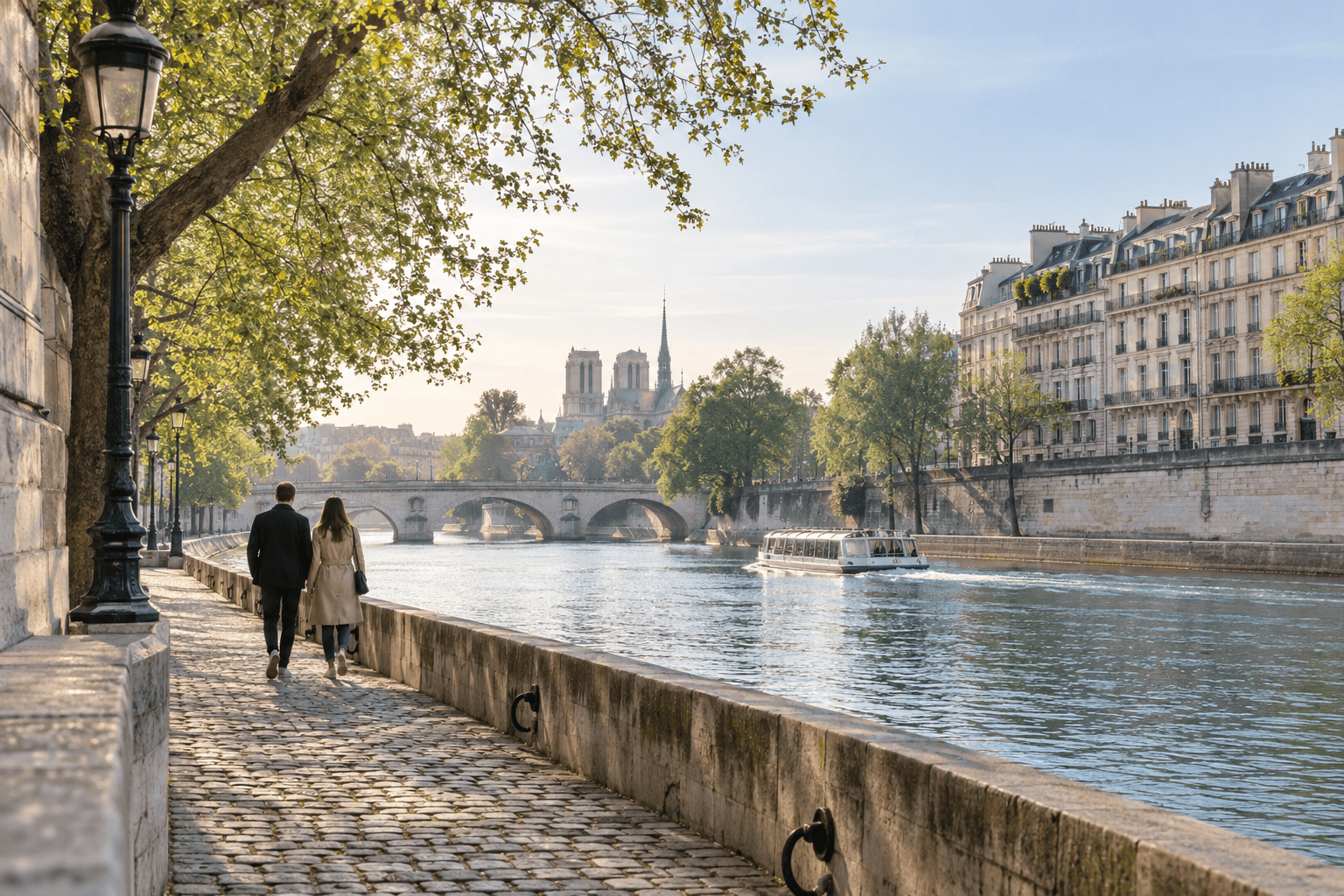
A Seine cruise is an easy way to understand the city and rest your feet after arrival.
France · Art, food and river light
Paris rewards a little planning. Reserve the experiences that matter most, then leave room for a market, a garden or a cafe terrace between them. Trip Explorer helps you compare the practical details before you commit.
Editorial guide reviewed September 2026. How Trip Explorer plans trips
Plan the essentials
Museum masterpieces, neighbourhood walks and memorable evenings along the Seine. The strongest plans combine one important reservation with time to understand a neighbourhood, eat well and respond to the weather. Use the details below as a starting point, then check live availability for your exact travel dates.
A useful rhythm
A Seine cruise is an easy way to understand the city and rest your feet after arrival.
A focused guided visit can be more rewarding than trying to cover every gallery in one day.
Balance the landmarks with a food walk, atelier visit or small-group history tour.
Choose by interest
Compare focused Louvre visits, smaller museums and specialist art walks by duration and group size.
Compare museum and art tours in Paris →Choose between short sightseeing cruises, evening sailings and dining experiences with city views.
Compare seine cruises in Paris →Explore bakeries, markets, cheese, wine and regional cooking through neighbourhood-led tastings.
Compare food experiences in Paris →Look for interactive museums, treasure hunts, workshops and shorter tours suited to children.
Compare family activities in Paris →Explore locally
Historic lanes, private mansions, small museums and food shops make this an easy district to explore on foot.
Hilltop views, artists’ streets and the Sacre-Coeur reward an early start before the busiest hours.
Literary history, galleries and classic cafes create a polished Left Bank base between major sights.
Roman traces, university streets and the Pantheon suit travellers who enjoy history and a lively atmosphere.
A realistic route
This itinerary keeps fixed reservations to a minimum and groups experiences by area so that the city remains enjoyable.
Begin around the islands and the Latin Quarter, pause for a relaxed lunch, then use a river cruise to connect the major landmarks.
Book one timed museum visit in the morning. Spend the afternoon in Le Marais or Saint-Germain instead of crossing the city repeatedly.
Choose an early Montmartre walk for a city day, or dedicate the full day to Versailles when the palace and gardens are a priority.
Season by season
Longer days suit gardens, neighbourhood walks and river time. Popular museum slots can still sell early around holidays.
Plan outdoor visits early, reserve headline attractions and leave the warmest part of the afternoon for shaded or indoor experiences.
Autumn is comfortable for walking. Winter brings shorter days but excellent museum time and fewer outdoor queues.
Go beyond the centre
Best for palace history, formal gardens and a full half-day or day outside central Paris.
Find Versailles excursions →A seasonal choice for Monet’s house and gardens, especially appealing to art and garden enthusiasts.
Find Giverny excursions →A longer excursion focused on cellar visits, regional landscapes and guided tastings.
Find Champagne region excursions →Plan with confidence
Book timed-entry highlights before building the rest of your day.
Group activities by neighbourhood to reduce time spent crossing the city.
Keep one flexible indoor option for rain or very hot afternoons.
Planning resources
Use these practical guides to compare tours, shape each day and confirm the details that matter before booking.
Questions answered
Two planned experiences are usually enough. Leave at least an hour between them for transport, meals and unplanned discoveries.
They are most useful at large museums and historic sites where context, navigation and timed entry can save time.
Short cruises, interactive museums, food workshops and private or small-group walks tend to work well when matched to the children’s ages.