Go early for ancient Rome
Morning tours usually offer cooler temperatures and more energy for large archaeological sites.
Italy · Ancient stories, lived-in streets
Rome is best experienced in layers. Pair one major archaeological or artistic site with a slower neighbourhood experience, and protect time for long meals. Trip Explorer helps you compare duration, cancellation and review quality.
Editorial guide reviewed September 2026. How Trip Explorer plans trips
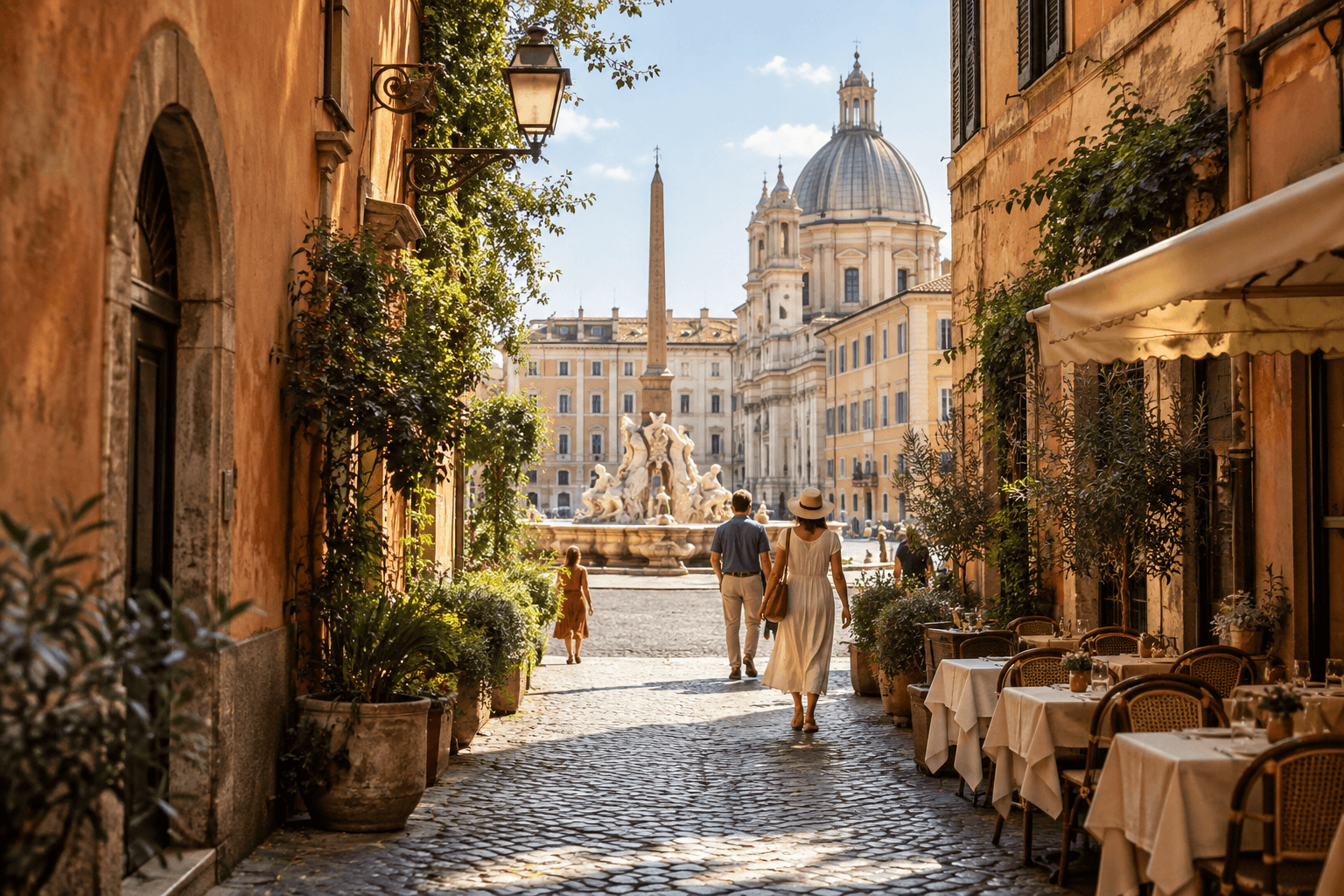
Plan the essentials
Layered history, generous food and neighbourhoods made for slow exploration. The strongest plans combine one important reservation with time to understand a neighbourhood, eat well and respond to the weather. Use the details below as a starting point, then check live availability for your exact travel dates.
A useful rhythm
Morning tours usually offer cooler temperatures and more energy for large archaeological sites.
A small-group food walk turns dinner into a useful introduction to Roman ingredients and customs.
An evening walk gives fountains, piazzas and baroque streets a completely different atmosphere.
Choose by interest
Compare Colosseum and Forum experiences by access level, duration and group size.
Compare ancient rome tours in Rome →Choose an itinerary that matches your interest in the museums, Sistine Chapel and St Peter’s area.
Compare vatican experiences in Rome →Discover markets, pasta, pizza and regional traditions through Testaccio, Trastevere or the historic centre.
Compare roman food tours in Rome →Explore fountains, piazzas and illuminated streets when temperatures fall and the city changes pace.
Compare evening walks in Rome →Explore locally
Piazza Navona, the Pantheon and baroque streets form Rome’s most rewarding central walking area.
Narrow lanes, traditional restaurants and evening energy make this a natural choice for food walks.
A village-like district close to the ancient sites, with independent shops and relaxed places to eat.
Orderly streets near Vatican City offer a quieter base and useful access to museums and the river.
A realistic route
This itinerary keeps fixed reservations to a minimum and groups experiences by area so that the city remains enjoyable.
Give the Colosseum and Forum a dedicated morning, then recover over lunch before exploring nearby Monti.
Use a timed morning entry for the Vatican area. Continue towards Castel Sant’Angelo and finish around Piazza Navona.
Build a slower day around a market or food experience, the Pantheon, Trevi Fountain and an evening in Trastevere.
Season by season
Comfortable walking weather makes this a strong season for archaeological sites, piazzas and longer neighbourhood days.
Start outdoor monuments early, plan a long midday break and reserve evening walks for cooler hours.
Autumn remains lively and walkable. Winter is quieter, with useful opportunities for museums, churches and food experiences.
Go beyond the centre
Villas, gardens and fountains provide a graceful contrast to Rome’s dense historic centre.
Find Tivoli excursions →An accessible archaeological excursion for travellers who want another view of everyday Roman life.
Find Ostia Antica excursions →A long but rewarding day for archaeology enthusiasts who are comfortable with substantial travel and walking.
Find Pompeii excursions →Plan with confidence
Avoid scheduling the Vatican and the Colosseum on the same day.
Wear reliable walking shoes because many central streets are cobbled.
Check meeting points carefully and arrive before the listed start time.
Planning resources
Use these practical guides to compare tours, shape each day and confirm the details that matter before booking.
Questions answered
For peak periods, reserve headline attractions as early as your dates allow. Smaller walks and food tours can usually be added later.
Yes, especially with shorter storytelling tours, pizza or gelato workshops and time in open-air piazzas between visits.
Two to three hours is a useful range for most guided visits without making the rest of the day feel rushed.
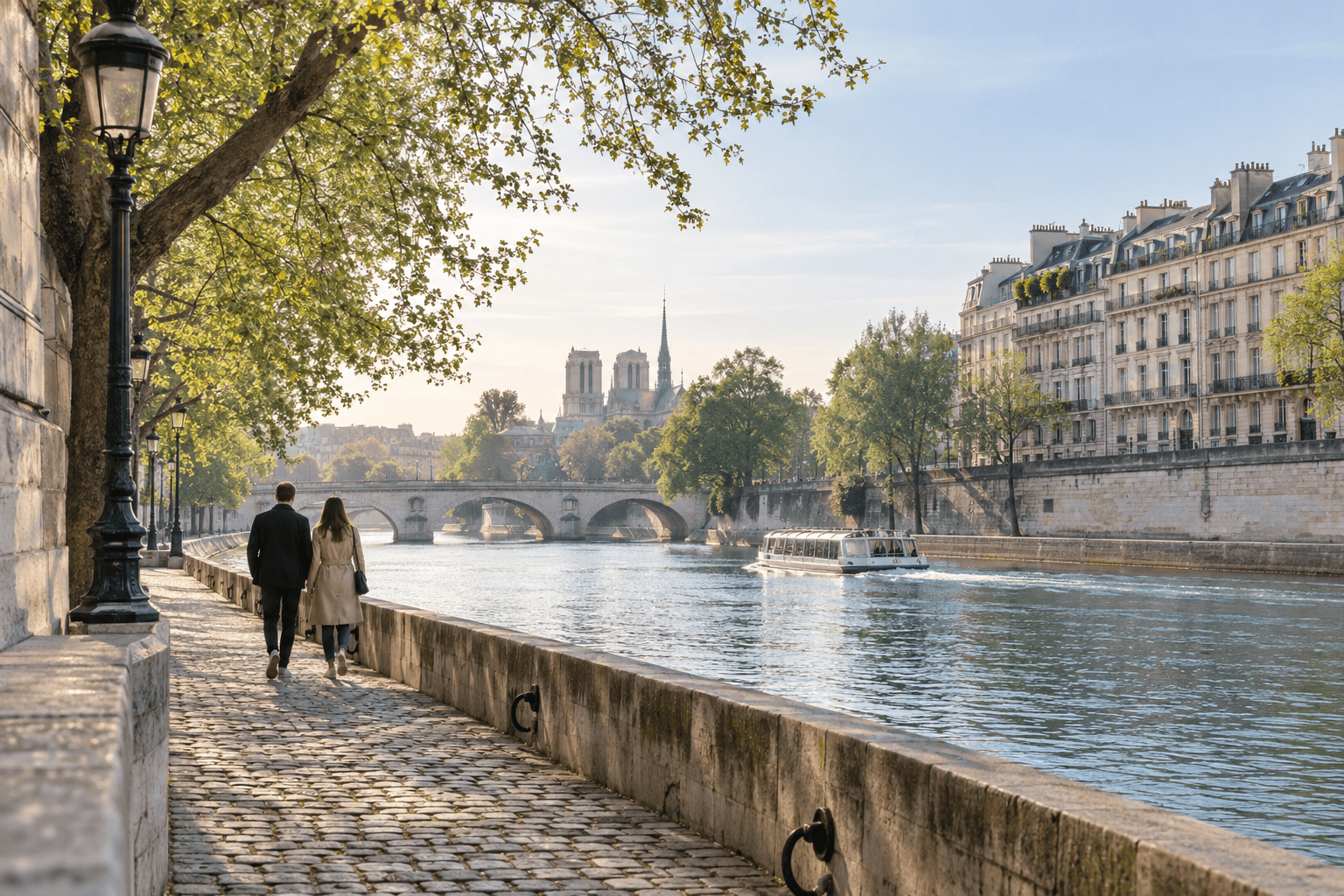
Museum masterpieces, neighbourhood walks and memorable evenings along the Seine.
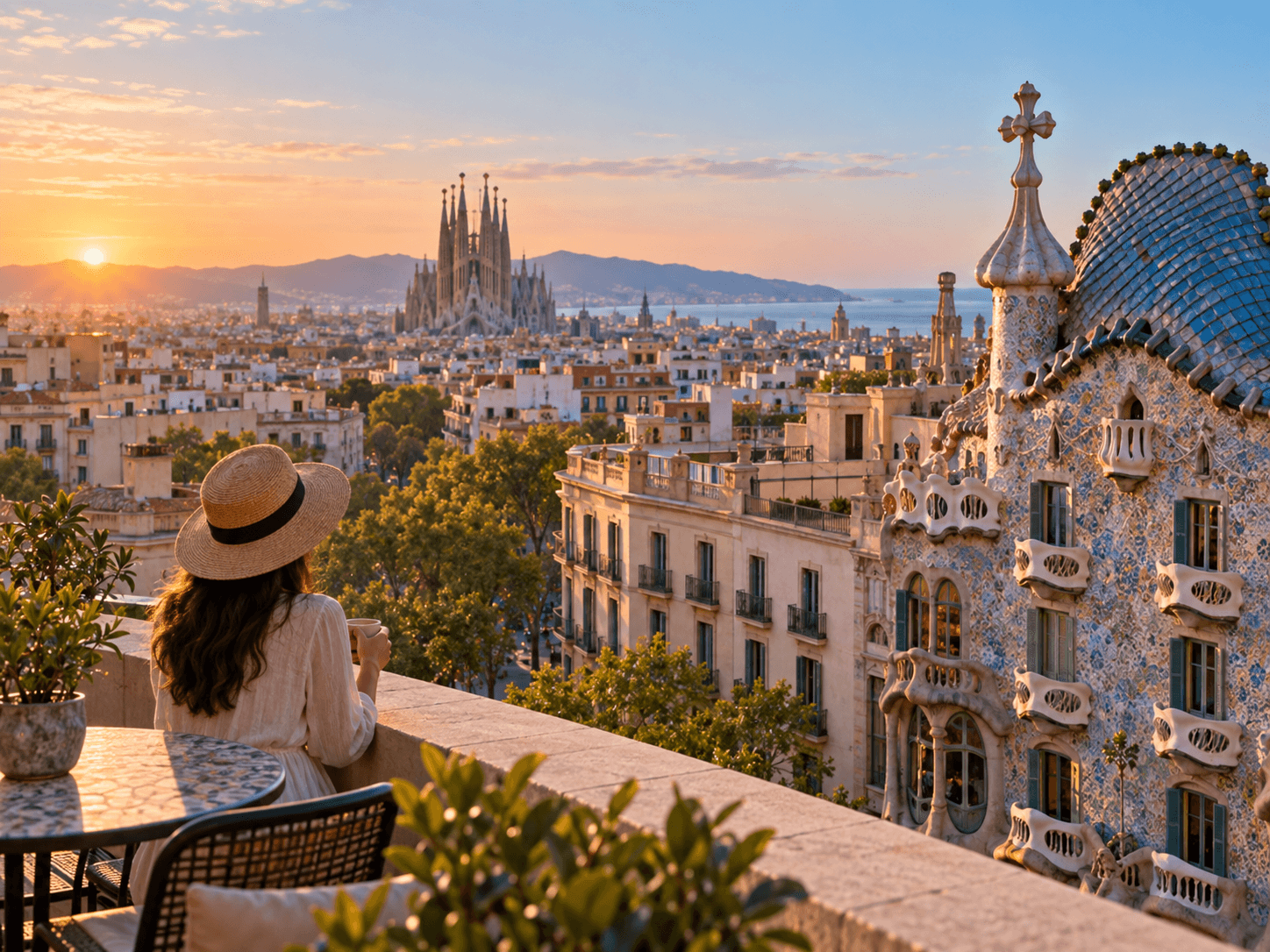
Bold architecture, lively markets and a coastline within easy reach.
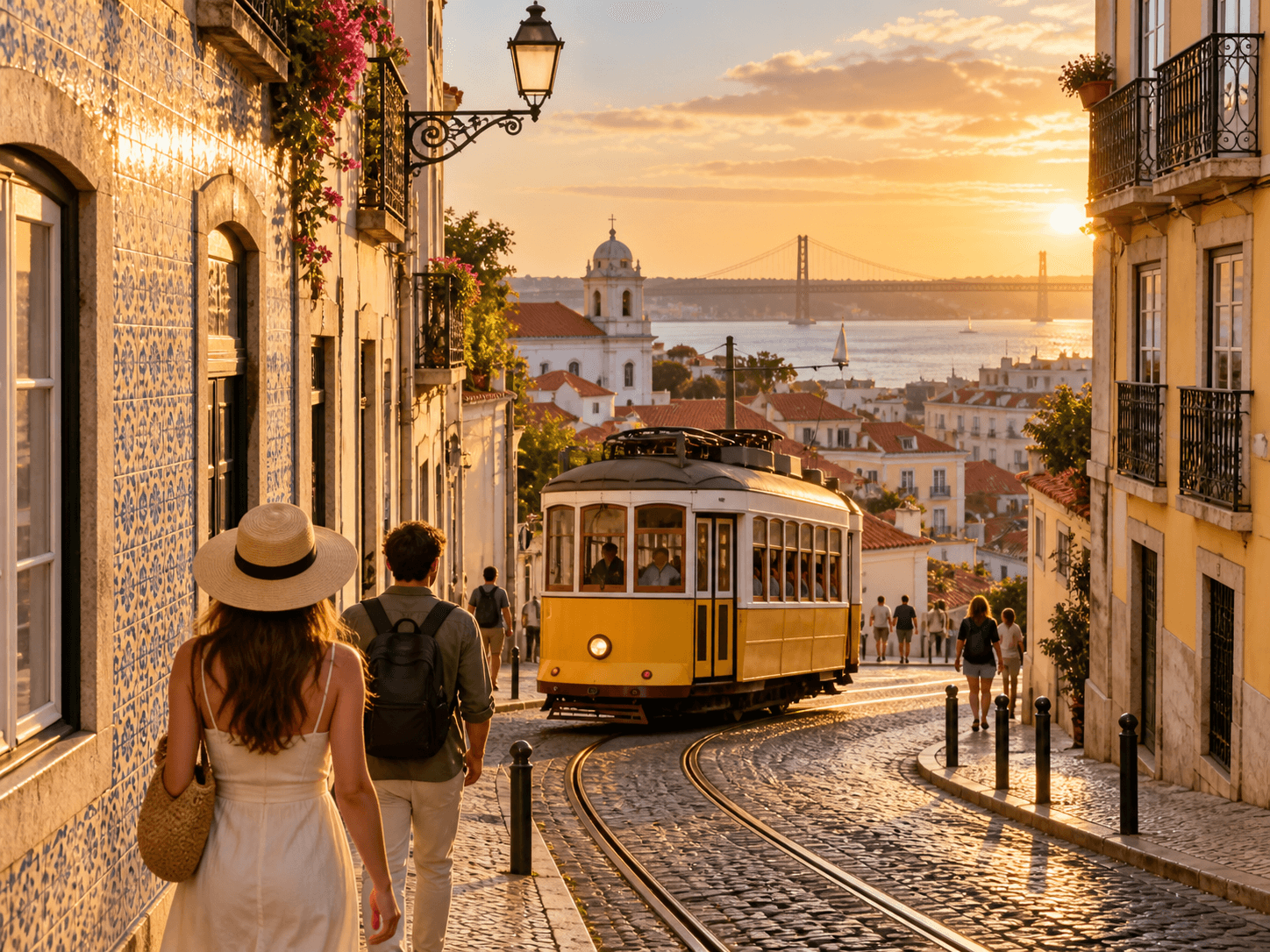
Scenic viewpoints, soulful food and easy day trips beyond the city.